Note:
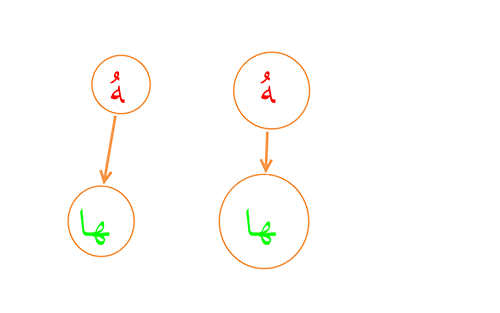
Whilst recording the above supplication, the Sheik advised that “lahu” should actually be “laha” (as shown below) – which indicates “her” in Arabic. The transliteration and audio reflect this, but as the above Arabic was in two separate references I have reproduced the above per the references. But please do note the below and check with a scholar.
[ pdf | <1 MB | 8d2a7321d9fb43864daf9c0407ddee0b | 84cb708ab39b6d69abd27e96c7e938e1e0e3b940 ]
[ pdf | <1 MB | f3701ddd692294b28439398d57f09cc8 | a55cbf94ceed2cb179806a61fcd132d9de1961bc ]
[ zip | <1 MB | 9a6f4d308b7d058921f3ebbbf2aec30d | 29da5d1674a64026b1251cc654da6f9768964934 ]
Ref
“Prayer According to the Sunnah”. Compiler Prof. Muhammad Zulfiqar. Darussalam. March, 2006. Chapter – The Funeral Prayer, pg 498.
“The Translation of the Meanings of Sahih Al-Bukhari”. Translated by Dr. Muhammad Muhsin Khan. Darussalam. July, 2007. Volume 2, (65) Chapter – The recitation of Surat-al-Fatiha in the funeral Salat, pg 241. [10006]
This ‘supplication’ post/sheet only covers what should be said and does not address the actions to be taken (if applicable).
Ref
“Getting the Best out of Al-Hajj (Pilgrimage)”, By Abu Muneer Ismail Davids, Published by Darussalam, Second Edition – August, 2006, Chapter 6, pg 316 [10004]
“English Translation of Jāmi‘ At-Tirmidhī”. Compiled by Mohammad Ibn ‘Eisā At-Tirmidhi et al. Darussalam. Nov, 2007. Volume 6, Hadith #3585 (Sahih), pg 287 [10009]
“Fortress of the Muslim, Invocations from the Qur’an and Sunnah”. Compiled by Said bin Wahf Al-Qahtani. Darussalam. 5th Edition Apr, 2006. pg 171 [10003]
Note: I wasn’t able to find the above wording in the Hadith references I have access to; but am assuming reference [1] (from which I have taken the above) has access to more resources and references than I have. The wording I was able to find in the Hadith references I have access to (Sahih Muslim) is as follows,
[ zip | <2 MB | ce7bce962890301e994895d247c67dad | 3a092efd53bc479e3ea96875537d288362a2e7b1 ]
This ‘supplication’ post/sheet only covers what should be said and does not address the actions to be taken (if applicable).
Though this post does not strictly present a Supplication it is still tagged as one to enable easy organisation and access.
Please check with a scholar on the wordings above.
Ref
“Getting the Best out of Al-Hajj (Pilgrimage)”, By Abu Muneer Ismail Davids, Published by Darussalam, Second Edition – August, 2006, Chapter 6, pg 261 [10004]
“English Translation of the Sahih Muslim”. Compiled by Imam Abul Hussain Muslim bin al-Hajjaj. Darussalam. June, 2007. Volume 3, Hadith #2950 (Sahih), pg 346 [10007]
“Fortress of the Muslim, Invocations from the Qur’an and Sunnah”. Compiled by Said bin Wahf Al-Qahtani. Darussalam. 5th Edition Apr, 2006. pg 170 [10003]
[ pdf | <1 MB | ee80818fd52a2ffe056ace19d7c554de | 02001f16b18436ceb45f52c342ece723d74cd276 ]
[ zip | <1 MB | 65c9447d3ae216d2d4da532aba3cf31c | 7850d85ee1f6f50c3aceda3759877a8800f41481 ]
Note
The above are only to be said ONCE, that is at the beginning of the Sa’ee and not at the beginning of every lap. [1]
* This ‘supplication’ post/sheet only covers what should be said and does not address the actions to be taken (if applicable).
Though this post does not strictly present a Supplication it is still tagged as one to enable easy organisation and access
Ref
“Getting the Best out of Al-Hajj (Pilgrimage)”, By Abu Muneer Ismail Davids, Published by Darussalam, Second Edition – August, 2006, Chapter 6, pg 260 [10004]
“English Translation of Sunan Abu Dawud”. Compiled by Imam Hafiz Abu Dawud Sulaiman bin Ash’ath. Darussalam. July, 2008. Vol 2, Hadith #1905 (Sahih), pg 426 [10008]
Note:
* “Fortress of the Muslim, Invocations from the Qur’an and Sunnah” references this supplication as an Invocation against the distractions of Satan during the prayer and recitation of the Qur’an. This ‘supplication’ sheet only covers what should be said and does not address the actions to be taken (if applicable).
Ref:
[1] “Fortress of the Muslim, Invocations from the Qur’an and Sunnah”. Compiled by Said bin Wahf Al-Qahtani. Darussalam. 5th Edition Apr, 2006. pg 119
Istikhārah (an appeal to Allāh to guide you on the right path as regards to a certain matter)
Note:
* This ‘supplication’ sheet only covers what should be said and does not address the actions to be taken (if applicable).
Ref:
[1] “The Translation of the Meanings of Sahih Al-Bukhari”. Translated by Dr. Muhammad Muhsin Khan. Darussalam. July, 2007. Volume 8, Hadith #6382 (Sahih), pg 215
[ pdf | <4 MB | fdf23cb1099d5e55c974d1a5809b377f | 3aa2324958e800981789764a48602b68ac7f57eb ] [ zip | <4 MB | f9ee61d66acbf292826992052aad7bb9 | b327df1accdfa33e872a33ed8e92955039f01897 ]
There is no particular supplication established in the Sunnah when drinking Zamzam. However, Abdullah bin Abbas (may Allah be pleased with him) used to recite the following after drinking Zamzam water. [1]
[ pdf | <1 MB | 6a3bd0efad44ccb9eacbe0a9b5424ac2 | b3e1b61856f3de296c298dde62694ff5b907ae5a ]
* This ‘supplication’ post/sheet only covers what should be said and does not address the actions to be taken (if applicable).
Ref
“Getting the Best out of Al-Hajj (Pilgrimage)”, By Abu Muneer Ismail Davids, Published by Darussalam, Second Edition – August, 2006, Chapter 6, pg 221 [10004]
Tawaaf – Upon Completion, Before Two Rakat of Prayer
Upon completion of the Tawaaf, proceed to Maqaam Ibraheem or any place in the mosque if this area is too crowded. It is commendable to say the below, then cover your right shoulder (if applicable) and perform 2 Rakat of prayer. Quran [2:125]
[ pdf | <1 MB | 4f0c6334428859fa80a004934a755504 | 1b87c96033ae56314de1d1e7021b9c908dfb03d2 ]
* This ‘supplication’ post/sheet only covers what should be said and does not address the actions to be taken (if applicable).
Though this post does not strictly present a Supplication it is still tagged as one to enable easy organisation and access
Ref
“Getting the Best out of Al-Hajj (Pilgrimage)”, By Abu Muneer Ismail Davids, Published by Darussalam, Second Edition – August, 2006, Chapter 6, pg 255 [10004]
“English Translation of Sunan Abu Dawud”. Compiled by Imam Hafiz Abu Dawud Sulaiman bin Ash’ath. Darussalam. July, 2008. Vol 2, Hadith #1905 (Sahih), pg 425 [10008]


















 The Wahy Project